October 26, 2026
Small details can have a significant impact on a kitchen's appearance, comfort, and functionality. Cabinet hardware, lighting, backsplashes, and storage accessories influence how the space looks and feels. During a kitchen renovation, coordinating these elements helps create a polished design that supports everyday routines. According to This Old House, 51% of homeowners made a plan to remodel their kitchens at some point in 2025. Thoughtful finishing touches help ensure the completed space feels cohesive, practical, and personalized.
Refining Cabinet Hardware
Selecting Durable Materials
Cabinet hardware experiences frequent use, making durability important. Brushed nickel, stainless steel, and solid brass offer different appearances and maintenance requirements. Homeowners should consider how each material handles fingerprints, moisture, and everyday wear. Quality knobs and pulls preserve cabinetry's appearance while making drawers and doors comfortable to operate.
Coordinating Colors and Finishes
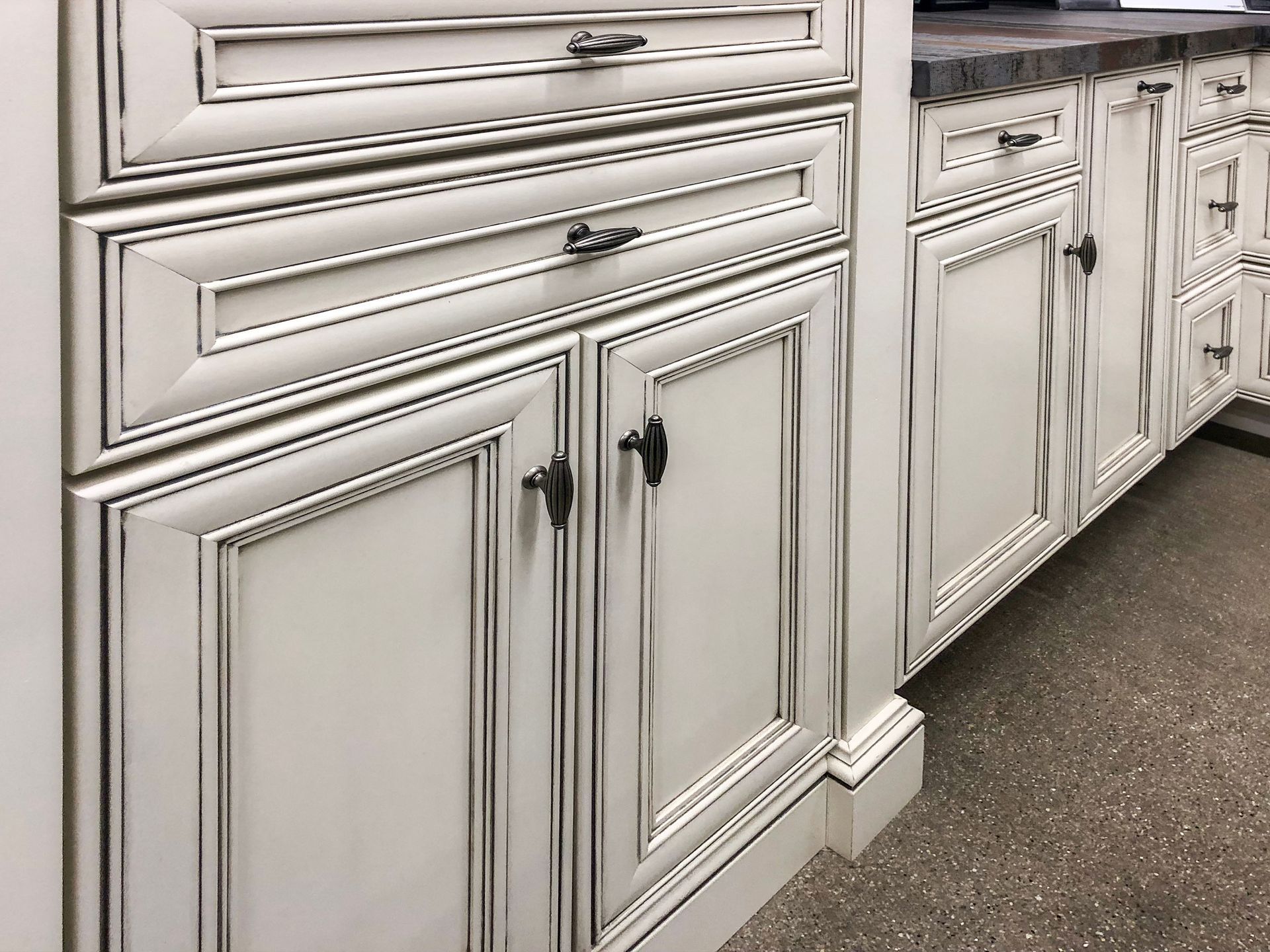
Hardware finishes should complement cabinet colors and nearby fixtures. Contrasting finishes create visual interest, while similar tones provide an understated appearance. Dark hardware stands out against light cabinetry, while brushed brass introduces warmth to neutral finishes. Repeating selected metal finishes creates consistency without requiring every fixture to match.
Balancing Scale and Style
The size and shape of cabinet hardware affect appearance and usability. Long pulls complement wide drawers, while smaller knobs suit narrow cabinet doors. Traditional spaces benefit from decorative details, whereas contemporary designs favor streamlined hardware. Considering proportions and comfort helps homeowners select pieces that complement the cabinetry.
During a kitchen renovation, homeowners should consider how cabinet hardware coordinates with lighting fixtures, faucets, and other metal accents. Selecting complementary finishes early helps maintain a consistent style.
Layering Kitchen Lighting
Improving Task Visibility
Task lighting makes food preparation, cooking, and cleanup easier. Under-cabinet fixtures illuminate countertops that overhead lights may leave in shadow. Proper placement reduces glare and improves visibility around sinks and work surfaces. During a kitchen renovation, homeowners should identify important lighting locations before finalizing cabinetry and electrical plans.
Creating Comfortable Ambient Light
Ambient lighting provides general illumination throughout the kitchen. Recessed fixtures, flush mounts, and chandeliers create a comfortable environment. Bulbs with appropriate color temperatures influence how cabinetry, countertops, and flooring appear. Consistent lighting helps the kitchen feel inviting throughout the day.
Highlighting Decorative Features
Accent lighting draws attention to open shelving, glass-front cabinets, and architectural details. Small LED fixtures and concealed light strips add illumination without overwhelming the design. Combined with task and ambient lighting, these features create depth and flexibility.
Adding Efficient Lighting Controls
LED bulbs offer long service lives and generally use less electricity than traditional incandescent bulbs. Dimmer switches allow homeowners to adjust brightness for cooking, entertaining, or relaxing. Compatible fixtures and controls support efficient, adaptable lighting.
Lighting deserves careful consideration during a kitchen renovation because fixture placement affects work surfaces and the room's appearance. Planning task, ambient, and accent lighting together creates a balanced environment.
Selecting a Distinctive Backsplash
Choosing Practical Materials
A backsplash protects walls from splashes, grease, and moisture while contributing to the kitchen's visual character. Ceramic and porcelain tiles offer varied colors and patterns, while glass creates a reflective finish. Natural stone provides a distinctive texture but may require additional care. Homeowners should compare durability and cleaning requirements before choosing materials.
Coordinating Colors and Patterns
The backsplash should complement cabinetry and countertops rather than compete with them. Patterned tile creates a focal point alongside simpler finishes, while a neutral backsplash balances expressive countertops. Considering undertones and textures helps prevent materials from clashing. Viewing samples under the kitchen's lighting makes comparisons easier.
Determining Height and Coverage
Backsplash coverage affects appearance and practicality. Standard installations protect walls above countertops, while extending the material higher creates a dramatic effect. Full-height installations behind a range or beneath open shelving establish a continuous visual feature. Coverage depends on design preferences and budget.
Creating Seamless Transitions
Coordinating backsplash colors, grout, and edges creates a finished appearance where tile meets countertops or cabinetry. According to This Old House, 51% of homeowners made a plan to remodel their kitchens at some point in 2025, highlighting interest in kitchen updates. Careful material coordination helps create a design that remains appealing over time.
Choosing backsplash materials is another important part of a kitchen renovation. Homeowners should consider how tile colors, patterns, and textures interact with cabinetry and countertops to create a cohesive design.
Customizing Countertop Details
Selecting Complementary Edge Profiles
Countertop edges influence a kitchen's overall character. Straight edges suit contemporary spaces, while rounded or decorative profiles complement traditional designs. Edge selection should account for cleaning and everyday use. Reviewing samples alongside cabinet doors helps homeowners visualize the finished combination.
Balancing Thickness and Overhang
Countertop thickness affects the surface's visual weight. Thicker profiles create a substantial appearance, while thinner edges look streamlined. Overhangs influence legroom and comfort around seating areas. Measurements should account for the material, supporting structure, and intended use.
Comparing Finishes and Textures
Polished, honed, and textured finishes produce different visual effects. Polished surfaces reflect more light, while honed finishes offer a softer appearance. Texture adds character but may affect cleaning requirements. Homeowners should compare samples and review care instructions before choosing a finish.
Planning for Long-Term Maintenance
Maintenance requirements vary by countertop material. Some natural stones need periodic sealing, while engineered surfaces often require less specialized care. Following manufacturer recommendations protects the surface and preserves its appearance. Choosing a countertop that matches household cleaning habits makes maintenance easier.
Upgrading Sinks and Faucets
Choosing a Functional Sink Style
Sink design affects how comfortably homeowners wash dishes, prepare ingredients, and clean cookware. Undermount sinks create a streamlined countertop transition, while farmhouse sinks introduce a distinctive front-facing design. Bowl depth, width, and configuration should reflect available space and everyday needs.
Selecting Convenient Faucet Features
Pull-down sprayers, pull-out faucets, and touchless controls offer different benefits. Flexible spray heads simplify rinsing, while touchless operation reduces contact with messy hands. Homeowners should consider reach, clearance, water pressure, and cleaning requirements. Useful features often matter more than appearance alone.
Coordinating Metal Finishes
Faucets, cabinet hardware, and other metal accents contribute to the kitchen's style. Matching finishes create a coordinated look, while carefully selected combinations add contrast. Brushed nickel, matte black, and brass complement different cabinet and countertop combinations. Repeating a few finishes maintains visual balance.
Improving Kitchen Storage
Organizing Cabinet Interiors
Well-organized cabinets make frequently used items easier to find. Adjustable shelves, pull-out trays, and dividers accommodate cookware, dishes, and pantry supplies. Soft-close hinges and drawer slides reduce noise and impact. These features improve storage without requiring additional square footage.
Making Drawers More Functional
Deep drawers accommodate pots and pans, while shallow compartments organize utensils and smaller tools. Dedicated inserts keep items accessible, and corner storage accessories make awkward spaces easier to use. Planning these features during a kitchen renovation allows homeowners to tailor storage to their cooking habits.
Balancing Open and Closed Storage
Open shelving provides convenient access to dishes and room for decorative displays, but it requires regular cleaning and organization. Closed cabinets conceal clutter and protect stored items from dust. Combining both approaches balances accessibility and appearance.
Streamlining Pantry Organization
A well-arranged pantry makes meal preparation more efficient. Adjustable shelving, pull-out baskets, and designated storage areas prevent items from getting lost. Using vertical space increases capacity without expanding the pantry's footprint.
Planning storage during a kitchen renovation allows homeowners to tailor features to their cooking habits. Pull-out trays, drawer dividers, and accessible pantry shelves make everyday tasks more convenient.
For professional guidance with material selections and design details, contact Wolf Kitchen & Bath to discuss your kitchen renovation goals and explore options for creating a beautiful, functional kitchen.