November 4, 2026
Improving a home does not always require a major renovation. Small, carefully planned updates can improve functionality, refresh appearances, and preserve property appeal. From updated finishes to better storage, modest kitchen renovations can address everyday needs while supporting long-term value. Choosing improvements based on your home’s condition, priorities, and budget helps you invest wisely without the expense or disruption of a complete redesign.
Improving Function Through Small Changes
A home should support the way its occupants live, work, cook, and relax. When a room becomes difficult to use, even a few targeted improvements can make daily routines more comfortable. Better storage, updated lighting, and more practical layouts can reduce common frustrations while making an interior feel more organized.
In a kitchen, inefficient storage can make meal preparation harder than it needs to be. Cabinets with outdated configurations may leave frequently used items difficult to reach, while crowded counters can limit space for cooking and cleanup. Updating cabinetry, improving drawer organization, or adjusting the arrangement of selected features can help make the room more convenient.
These changes can also influence how spacious a room feels. A well-planned layout allows people to move through the space more comfortably and can help reduce visual clutter. Even when the room’s footprint remains unchanged, thoughtful design choices may make it feel more open and useful.
The value of these improvements extends beyond appearance. A kitchen that better supports household routines may be more satisfying to use over many years. Homeowners can prioritize the features that matter most to them, whether that means creating more accessible storage, improving work surfaces, or making the room easier to maintain.
Refreshing Finishes Without Rebuilding
Outdated finishes can make an otherwise functional room feel tired. Replacing worn surfaces, updating cabinet styles, or selecting a more current color palette can refresh the interior without requiring every component to be removed. This approach can be especially useful when the existing layout works well, but the overall appearance no longer reflects the homeowner’s preferences.
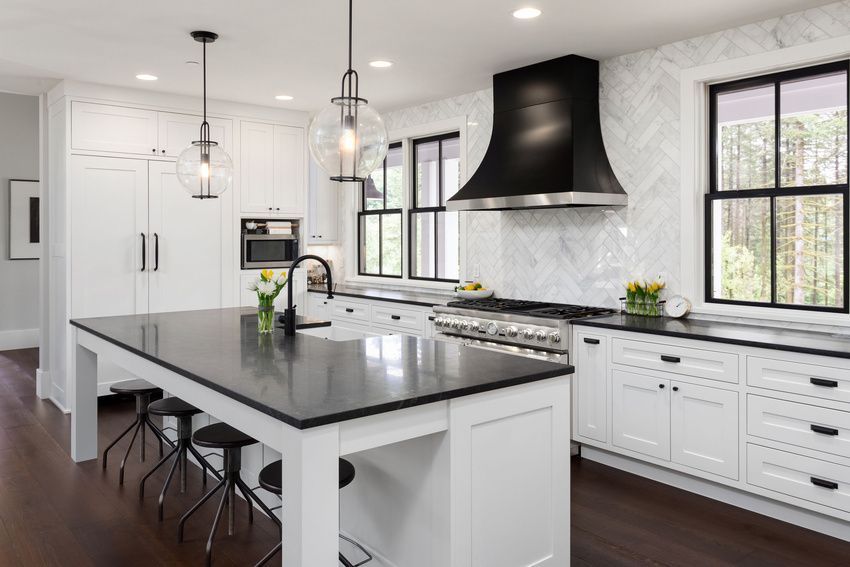
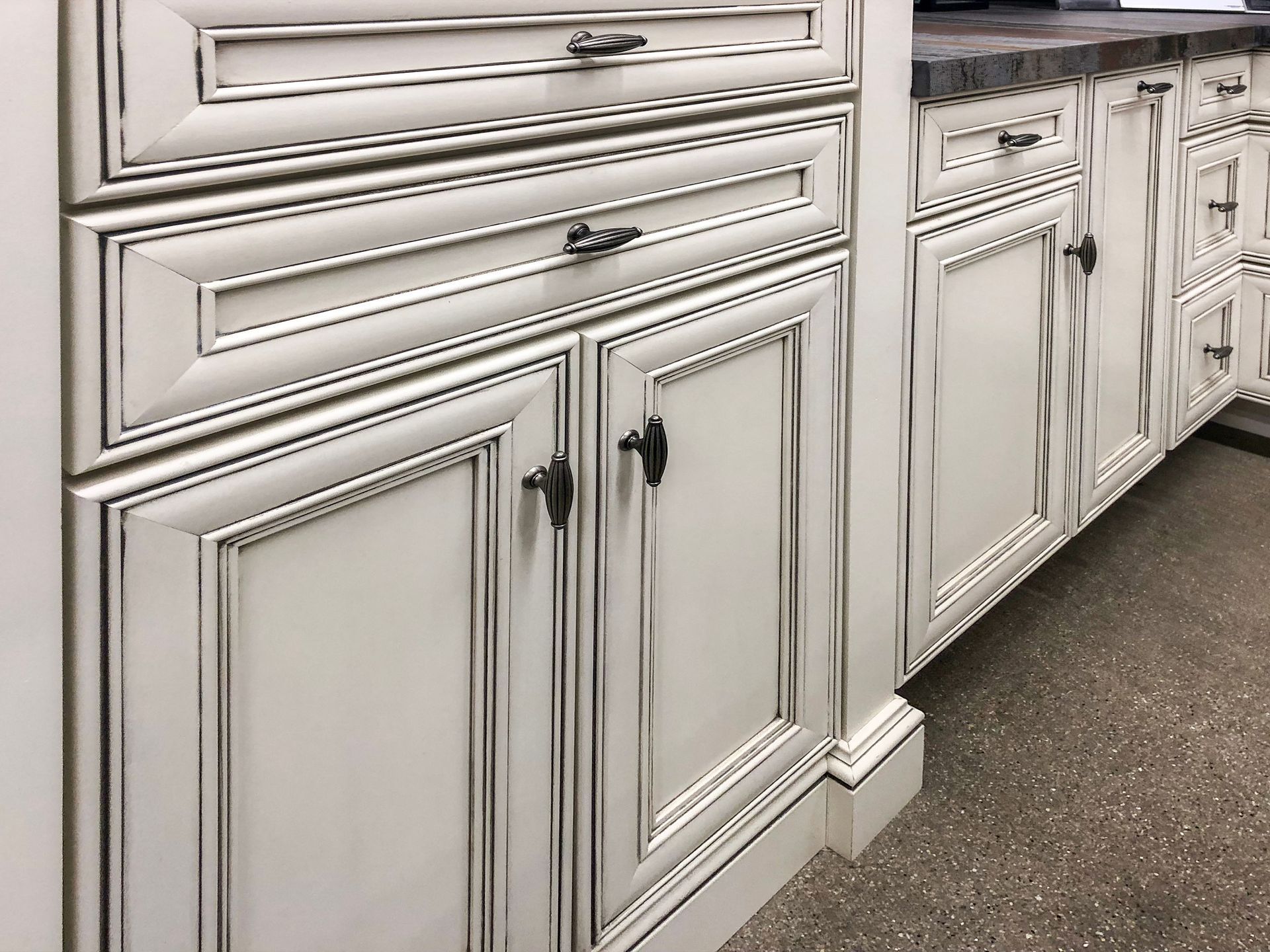
Cabinetry often has a strong influence on a kitchen’s visual character. Updated cabinet doors, finishes, hardware, or replacement cabinets can help establish a more cohesive design. Countertops and backsplashes also contribute to the room’s appearance, creating opportunities to coordinate colors, textures, and materials.
The best choices balance current preferences with lasting appeal. Highly personal design features can make a room feel distinctive, but neutral foundations and complementary finishes may be easier to adapt as tastes change. Homeowners do not need to avoid personality; instead, they can consider how each selection works with the room as a whole.
Kitchen renovations do not always need to involve moving walls or changing the entire floor plan. Depending on the condition of the space, replacing selected finishes or cabinetry may deliver the visual improvement a homeowner wants while limiting the project’s scope. A professional can assess the existing room and explain which updates are practical within the available budget.
Evaluating the Potential Return on Investment
Interior improvements can benefit homeowners through everyday convenience, visual appeal, and the potential to support resale value. However, not every project produces the same financial return, and outcomes vary based on location, property condition, materials, workmanship, and buyer preferences.
According to Fixr, a minor kitchen remodel achieves an estimated return on investment of 113%, placing it above other interior projects in the comparison. This figure illustrates the potential value of targeted kitchen improvements, although it should not be interpreted as a guarantee that every homeowner will recover the same percentage of project costs.
Return on investment depends on more than the amount spent. A renovation that resolves visible wear, improves functionality, and creates a cohesive appearance may strengthen a home’s appeal. By contrast, expensive changes that do not suit the property or local buyer expectations may be less likely to deliver a comparable return.
Homeowners should also distinguish between financial return and personal value. An improvement may not recoup its full cost at resale, yet it can still provide years of added comfort and convenience. Better storage, more durable surfaces, and a layout that supports everyday activities may make the home more enjoyable long before a sale is considered.
A sensible approach begins with clear priorities. Determine which problems need to be addressed, which improvements would make the greatest difference, and how much you are comfortable investing. This helps keep decisions grounded in practical benefits rather than assumptions about future resale prices. Kitchen renovations can be planned around these priorities to balance long-term value with everyday needs.
Choosing Materials for Lasting Value
Materials influence how an interior looks, performs, and holds up under everyday use. Choosing suitable products can help homeowners avoid premature wear and reduce the likelihood of needing additional updates sooner than expected. The right selection depends on how the space is used, the level of maintenance a household prefers, and the budget available.
In kitchens, countertops must accommodate regular food preparation, spills, and cleaning. Cabinet materials and finishes should also suit the household’s needs and the amount of use the room receives. A busy family kitchen may require different considerations from a space used occasionally for entertaining.
Durability should be evaluated alongside appearance. A surface that looks attractive in a showroom may have care requirements that are less convenient for some households. Asking about cleaning recommendations, resistance to everyday wear, and maintenance needs can help you compare options more confidently.
It is equally important to consider how different materials work together. Coordinating cabinetry, countertops, flooring, and backsplashes can create a consistent look without requiring every element to match exactly. A balanced mix of textures and finishes often gives a room visual interest while helping individual features complement one another.
Professional guidance from kitchen renovations specialists can clarify the trade-offs between available materials. Rather than selecting products based on appearance alone, homeowners can consider how each option will perform within the room and whether its upkeep fits their lifestyle. This helps make the investment more useful over time.
Prioritizing Improvements by Household Needs
Not every part of a home needs attention at once. Establishing priorities allows homeowners to address the most important concerns first and spread projects over time if necessary. This can be particularly helpful when several rooms need updates, but the budget does not support a complete renovation.
Start by distinguishing functional problems from purely cosmetic preferences. Damaged cabinetry, inadequate storage, poor lighting, or surfaces that have become difficult to maintain may deserve attention before decorative changes. Once essential concerns are addressed, additional improvements can focus on appearance and personal style.
It is also helpful to consider how long you expect to remain in the home. If you plan to stay for many years, comfort and usability may carry more weight than immediate resale considerations. If a move is approaching, improvements that address visible wear and appeal to a broad range of potential buyers may be more relevant.
Plan interior updates around seasonal schedules, contractor availability, and budget. Coordinate materials and design choices to create a cohesive look. Prioritize improvements that address practical needs, complement existing features, and enhance comfort without requiring every room or feature to be renovated simultaneously.
Thoughtful kitchen renovations can similarly combine practical changes with a refreshed appearance. By focusing on storage, surfaces, cabinetry, and layout needs, homeowners can direct their budgets toward improvements that make a noticeable difference without expanding the project unnecessarily.
A successful update is not measured only by its size or cost. It is measured by how well the finished space serves the household, how comfortably it fits the home, and whether the investment aligns with the owner’s priorities. With clear goals and suitable professional support, smaller changes can contribute to lasting satisfaction and a more appealing property.
If you are ready to improve your home with practical, well-planned updates,
contact Wolf Kitchen & Bath to discuss your project and explore options that fit your space, style, and budget.