May 1, 2026
The kitchen is often considered the heart of the home, and functional design is key to creating a space that is both practical and enjoyable to use. A well-designed kitchen layout maximizes efficiency, ensures safety, and enhances the overall aesthetic of the space. This article explores the top three layouts that contribute to a functional kitchen design, highlighting their unique advantages and considerations.
Whether you have a compact space or an expansive kitchen area, choosing the right layout can transform your kitchen into a culinary haven. We'll delve into the L-shaped, U-shaped, and Galley kitchen layouts, providing insights into how each can be optimized for different needs and preferences. When considering the value of your home, these structural choices are significant. According to Architectural Digest, homeowners can typically expect a 75% return on investment from a comprehensive kitchen renovation. This high yield makes the planning phase of kitchen renovations one of the most critical steps in home improvement.
Designing the L-Shaped Kitchen Layout
The L-shaped kitchen consists of two adjacent walls forming an "L" shape, typically featuring countertops on these two walls. This design is highly popular for open-plan living spaces, providing an efficient workspace without dividing the room. The layout naturally segments the kitchen into different areas such as cooking, preparation, and cleaning, contributing to its functionality.
By incorporating an open plan, the L-shaped layout allows for seamless integration with dining and living areas, promoting social interaction. It is particularly appealing in homes where the kitchen acts as a hub for family gatherings or entertaining guests. The lack of a third wall means more freedom for cabinets and countertops placement, providing ample storage and work space. This design also allows for the inclusion of a dining table or an island, enhancing its flexibility.
Optimizing Small and Medium Spaces
One of the primary advantages of an L-shaped kitchen is its space optimization, particularly in small to medium-sized kitchens. This layout allows for efficient use of available space, concentrating work areas while leaving room for an open and airy kitchen environment. By positioning appliances along two walls, the design reduces traffic congestion, allowing for a smooth workflow.
The design can be adapted to fit into a corner or against two walls without encroaching on other living areas. Ample counter space provides room for food preparation and small kitchen appliances without sacrificing storage. This layout effectively balances its spatial efficiency with aesthetic appeal, allowing homeowners to personalize the space according to their preferences. Open shelving or glass-front cabinets can enhance the sense of space, making smaller kitchens feel larger and more inviting during kitchen renovations.
Avoiding Common L-Shaped Pitfalls
Despite its numerous advantages, the L-shaped kitchen layout is not immune to design challenges. One common mistake is neglecting adequate countertop space, particularly between key appliances like the stove and sink. Without enough room for food preparation and cleanup, the layout can quickly become inefficient and frustrating. It is important to plan for ample countertop space to ensure tasks can be completed comfortably.
Another error often seen in L-shaped designs is overlooking the corners, which can result in underutilized cabinet space. An effective solution is incorporating innovative corner cabinet options, such as pull-out and rotating shelves, to make those difficult-to-reach areas accessible. Failing to establish a functional work triangle can also inhibit workflow. Ensuring that the refrigerator, stove, and sink are within easy reach of each other helps streamline meal preparation and cleaning tasks.
Integrating Islands for Enhanced Function
One of the most popular ways to enhance an L-shaped kitchen is by integrating an island, providing additional workspace and storage. An island can serve multiple functions, from food preparation and dining to offering an informal seating area. When planning kitchen renovations, it is important to consider the size and proportion of an island to ensure that it complements the rest of the space.
Islands can be customized to suit specific needs, such as incorporating appliances or including a breakfast bar for casual dining. Choosing the right materials and finishes for the island allows homeowners to either blend seamlessly with the rest of the kitchen or make a statement with contrasting styles. In larger kitchens, an island can create additional zoning, separating cooking, cleaning, and dining areas without compromising overall design cohesion.
Implementing the U-Shaped Kitchen Layout
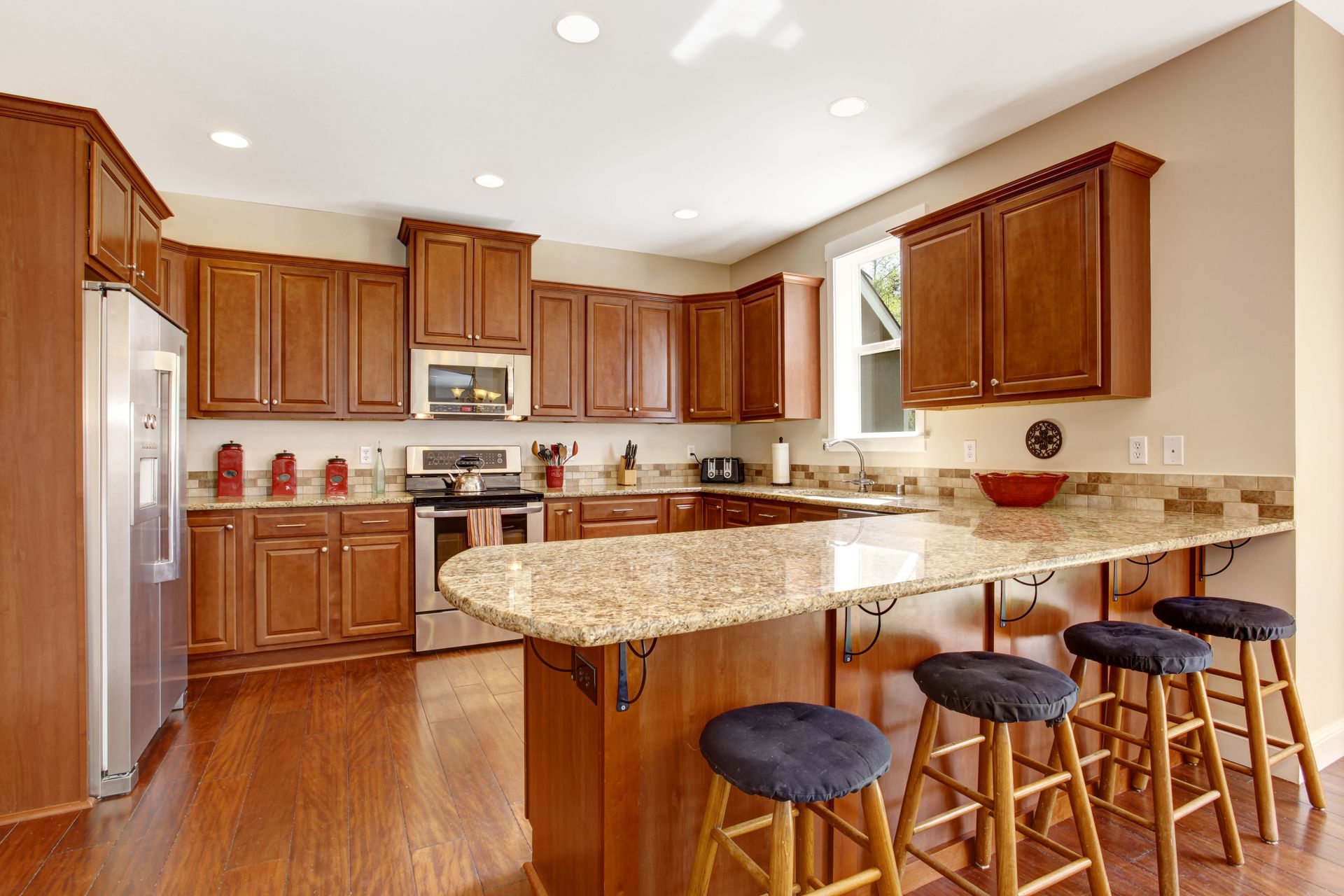
The U-shaped kitchen layout involves three walls of cabinetry and countertops, creating a horseshoe configuration. This design is widely appreciated for its efficiency and ample storage capacity, making it a popular choice for both small and large kitchens alike. It provides a complete workstation by combining all essential kitchen areas within easy reach.
One of the key attractions of the U-shaped design is its versatility in accommodating both traditional and modern kitchens. By strategically placing the sink, stove, and refrigerator, the U-shaped kitchen can support the creation of a highly effective work triangle. This design is advantageous in maximizing countertop space, providing ample room for meal preparation and appliance housing.
Utilizing Effective Storage Solutions
Effective storage solutions are crucial in maximizing the performance and efficiency of a U-shaped layout. With three walls available for cabinetry, the potential for organized storage options is extensive. To fully capitalize on this, homeowners can use a mix of base cabinets, wall cabinets, and drawer systems tailored to specific storage needs.
Incorporating solutions such as deep drawers for pots and pans, pull-out pantry shelves, and dedicated spice racks ensures everything has its place. Taller cabinets that reach the ceiling maximize storage space, offering additional room for seldom-used items. Utilizing pull-down shelves within higher cabinets can enhance accessibility without compromising storage potential. These details are vital when planning kitchen renovations to ensure long-term satisfaction.
Mastering the Galley Kitchen Layout
The Galley kitchen layout, characterized by two parallel walls of cabinetry and countertops, is often inspired by the compact kitchens found on ships. This design is exceptionally efficient for narrow spaces, as it minimizes the distance between work areas. By concentrating all essential kitchen components within two parallel lines, the Galley layout creates a streamlined workflow that is perfect for professional-style cooking.
One of the main benefits of a galley kitchen is its ability to maximize every inch of available space. This layout eliminates corner cabinets, which can often be difficult to access and result in wasted storage. Instead, the parallel walls offer a straightforward organization of cabinets and appliances, making it easy to navigate. This efficiency is a primary reason many urban dwellers choose this configuration during their kitchen renovations.
Enhancing Lighting and Visual Flow
In a galley kitchen, lighting and visual flow are essential for preventing the space from feeling cramped or dark. Utilizing light-colored cabinetry and countertops can help reflect light, making the kitchen appear more open and spacious. Large windows or skylights can provide natural light, while strategically placed artificial lighting can illuminate work surfaces.
Another way to enhance the visual flow in a galley kitchen is by keeping countertops clear of clutter and utilizing integrated appliances. This creates a sleek and modern look that emphasizes the design's clean lines. Open shelving can also be used to provide storage without the visual weight of upper cabinets. Thoughtful design choices can turn a narrow Galley kitchen into a high-performance space that feels bright and inviting.
Selecting the right layout is the foundation of a successful home transformation. Whether you choose the social openness of an L-shaped design, the expansive storage of a U-shaped horseshoe, or the professional efficiency of a galley kitchen, each configuration offers unique benefits. By focusing on the "work triangle" and optimizing storage solutions, you can create a space that meets your daily needs while increasing your property's value.
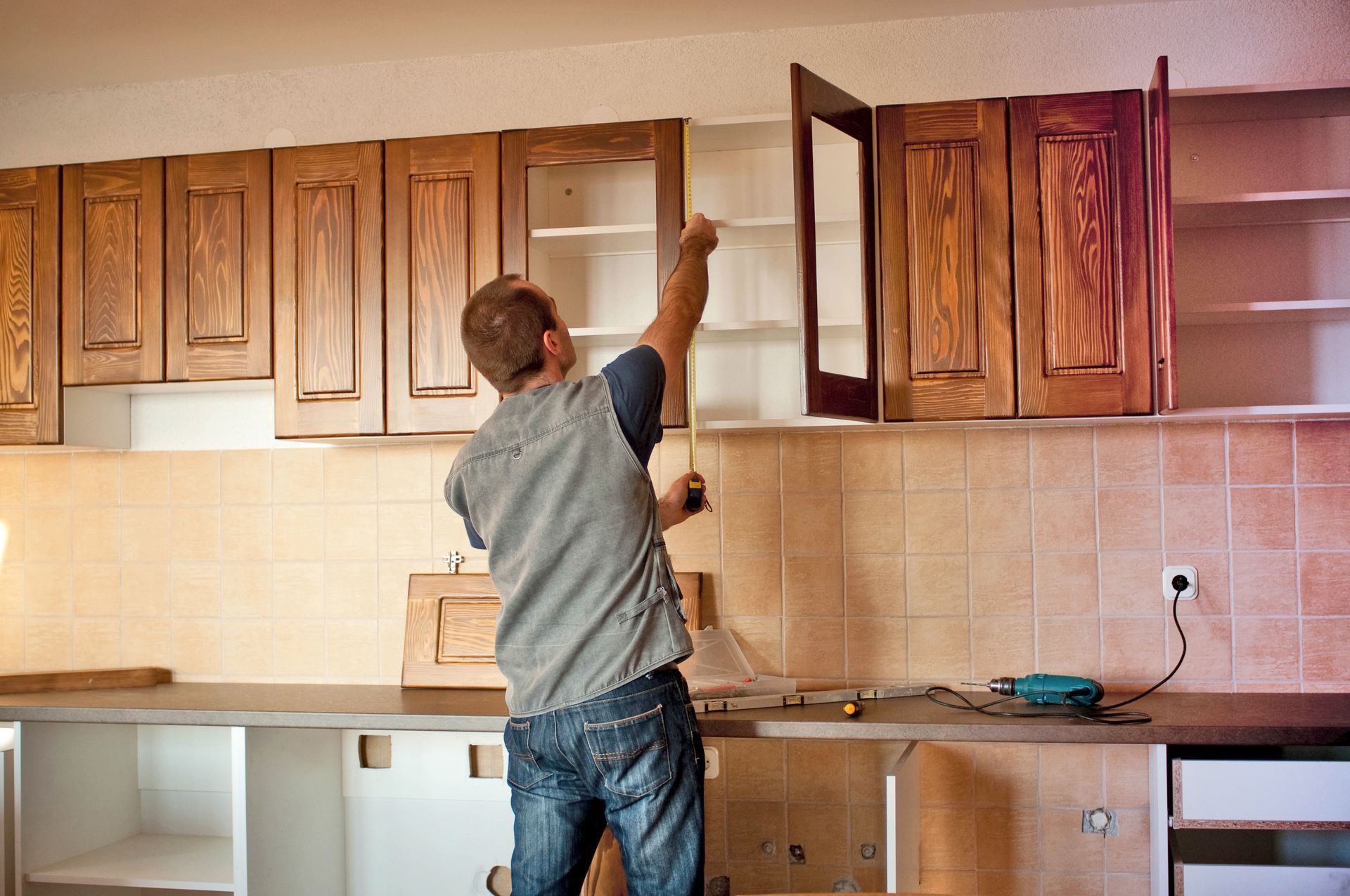
The journey toward a beautiful and functional home requires expertise and a commitment to quality. For those looking to start their own kitchen renovations, our team provides the insight and craftsmanship needed to bring your vision to life. To explore how we can modernize your home with a customized layout, contact Wolf Kitchen & Bath today. Our dedication to functional design and high-quality finishes ensures your kitchen will remain a cherished space for years to come.